Lab Grown Diamond Jewelry Trends 2026: Where The Kingstone Jewel Stands
As we move deeper into 2026, the jewelry landscape has undergone a radical transformation. What was once a niche alternative has now become the gold standard for the modern consumer: Lab Grown Diamond Jewelry. This year, the shift isn’t just about affordability — it’s about a conscious choice for ethical luxury, superior quality, and innovative design that traditional mining simply cannot replicate.
In this guide, we explore the dominant trends of 2026 and examine why The Kingstone Jewel has emerged as a leader, consistently outperforming other brands in the competitive sustainable luxury market.
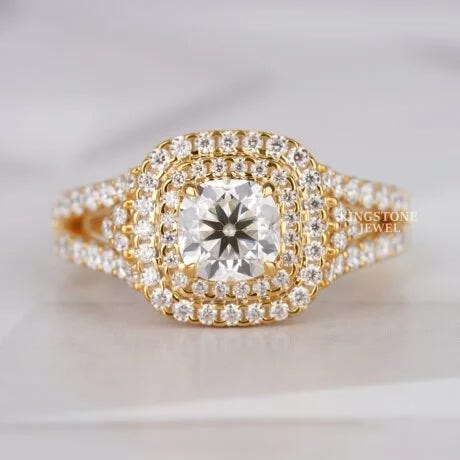
The Rise of Lab Grown Diamond Jewelry in 2026
The year 2026 marks a “Green Renaissance” in the world of high fashion. Today’s buyers are more informed than ever; they prioritize the “Four Cs” (Cut, Color, Clarity, and Carat) but have added a fifth, equally important C: Conscience.
Lab Grown Diamond Jewelry is trending because it offers a 100% chemically, physically, and optically identical alternative to mined diamonds without the environmental degradation or ethical concerns associated with traditional mining. Furthermore, as inflation impacts global markets, the ability to own a 2-carat or 3-carat masterpiece at a fraction of the cost of a mined stone has made “Affordable Luxury” a reality for a wider demographic.
Latest Trends in Lab Grown Diamond Jewelry (2026)
1. Minimalist Luxury Designs
In 2026, “Quiet Luxury” continues to dominate. Large, gaudy settings are being replaced by sleek, minimalist designs that highlight the brilliance of the stone. Think ultra-thin bands, hidden halos, and “floating” settings that make the diamond appear as if it is resting directly on the skin.
2. Everyday Wear Diamond Pieces
Gone are the days when diamonds were reserved for safes and gala dinners. The trend in 2026 is “Diamonds for Every Day.” From tennis bracelets paired with casual linen shirts to subtle stud earrings worn in professional settings, lab-grown diamonds have made high-end jewelry accessible for daily life.
3. Sustainable and Ethical Sourcing
Consumers now demand “Carbon Neutral” certifications. The trend is moving toward jewelry houses that use renewable energy (solar or wind) to power the plasma reactors where diamonds are grown. Brands that cannot prove their green credentials are being left behind by the Gen Z and Millennial workforce.
4. Customization and Personalization
2026 is the year of the “Unique Story.” Buyers no longer want off-the-shelf rings. There is a massive surge in demand for bespoke services where the customer can select the specific rough diamond and collaborate on a one-of-a-kind setting that reflects their personal journey.
The Comparison: The Kingstone Jewel vs. Other Brands
In a market saturated with options, how does a buyer distinguish between a lifelong investment and a fleeting purchase? Here is how The Kingstone Jewel measures up against other market alternatives.
Quality of Diamonds
While many market alternatives offer lab-grown stones, there is a significant variance in the growth process. Some competitors utilize lower-grade CVD (Chemical Vapor Deposition) methods that result in a “brownish” tint or visible graining under a loupe.
The Kingstone Jewel utilizes only the highest tier of CVD and HPHT technology, ensuring that every stone falls within the colorless (D-F) and VVS+ clarity range. While other brands might compromise on the “cut” to save weight, The Kingstone Jewel prioritizes “Ideal” and “Excellent” cuts to ensure maximum light refraction and “fire.”
Craftsmanship and Finishing
Many traditional jewelers transitioning into the lab-grown space often outsource their manufacturing to mass-production hubs. This leads to porous metalwork, loose prongs, and uneven symmetry.
In contrast, The Kingstone Jewel maintains a rigorous artisanal approach. Each piece undergoes a multi-stage hand-polishing process. Where competitors might use standard 10k or 14k gold with thin plating, The Kingstone Jewel focuses on substantial, high-purity settings that provide a weighty, premium feel.
Pricing vs. Value
There is a common pitfall in the 2026 market: overpricing. Some premium competitors charge a massive “brand markup,” selling lab-grown diamonds at prices that rival mined stones simply because of the logo on the box. On the other end of the spectrum, budget brands sell low-quality stones that lose their luster over time.
The Kingstone Jewel bridges this gap. By operating a direct-to-consumer model and cutting out the middleman, they provide “True Value.” You aren’t paying for a celebrity endorsement; you are paying for the stone and the gold.
Design Variety
While other brands often stick to safe, repetitive designs, The Kingstone Jewel’s 2026 collection pushes the boundaries of geometry. From vintage-inspired Art Deco revivals to avant-garde architectural shapes, their catalog offers a breadth of choice that makes competitors’ inventories look dated.
Why Buyers Are Choosing The Kingstone Jewel in 2026
The shift toward The Kingstone Jewel isn’t accidental. It is the result of a brand that perfectly aligns with the values of the 2026 consumer.
- Unwavering Trust: In an era of “greenwashing,” The Kingstone Jewel provides full traceability. Every piece of Lab Grown Diamond Jewelry comes with a reputable grading certificate (such as IGI or GIA), ensuring the buyer knows exactly what they are wearing.
- Modern Aesthetics: Unlike traditional jewelers who are stuck in the design language of the 1990s, The Kingstone Jewel designs for the modern woman and man. Their pieces are ergonomic, stylish, and versatile.
- The “Feel Good” Factor: Buying from The Kingstone Jewel means supporting a future where luxury doesn’t cost the earth. This alignment with sustainability is a primary driver for 2026 shoppers.
Buying Guide: What to Look for in Lab Grown Diamond Jewelry
If you are entering the market for the first time, keep these tips in mind to avoid common pitfalls:
- Check the Certification: Never buy a lab-grown diamond without a third-party certification. This ensures the 4Cs are accurately reported.
- Understand the Growth Method: High-quality CVD diamonds are generally preferred for larger stones, but ensure they have no “post-growth treatment” if you want the purest quality.
- Inspect the Metal: A diamond is only as good as the setting it sits in. Ensure the gold or platinum is solid, not just plated, especially for everyday wear.
- Avoid the “Big Brand” Trap: Don’t be fooled into thinking a higher price tag always means a better diamond. Often, you are just paying for the competitor’s high-street rent and marketing budget.
- Look for Warranty and Resizing: Reliable brands like The Kingstone Jewel offer robust after-sales support, which is vital for high-value jewelry.
Conclusion: The Future is Brilliant
As we look at the trajectory of Lab Grown Diamond Jewelry in 2026, it is clear that the industry has reached a tipping point. Consumers are no longer asking if they should buy lab-grown; they are asking where to find the best quality and design.
While other brands continue to struggle with balancing quality and price, The Kingstone Jewel has set a new benchmark. By combining cutting-edge technology with timeless craftsmanship, they have solidified their position as the go-to destination for the ethical, stylish, and savvy buyer.
If you are looking to invest in a piece that captures the spirit of 2026 — sustainable, stunning, and sophisticated — The Kingstone Jewel is the clear choice. Explore their latest collection today and discover why they are the reigning name in modern luxury.


Comments
Post a Comment