Lab Grown Diamond Jewelry Market Analysis: The Kingstone Jewel vs Jewelry Industry Players
The jewelry landscape has shifted dramatically. In 2026, the sparkle of a diamond is no longer just about the stone itself — it’s about the story, the ethics, and the intelligence behind the purchase. As Lab Grown Diamond Jewelry transitions from a niche alternative to a mainstream powerhouse, savvy buyers are looking beyond the surface to understand where they get the most value for their investment.
In this market analysis, we’ll explore the meteoric rise of lab-grown stones and provide an honest comparison of The Kingstone Jewel against broader industry players to help you decide which path to brilliance is right for you.
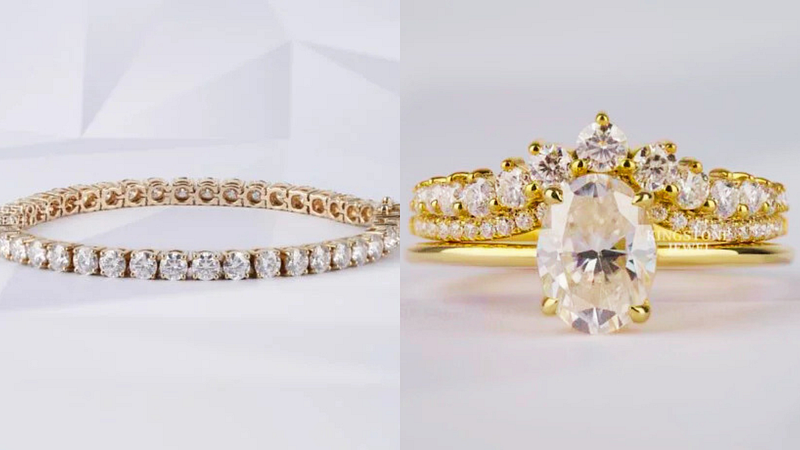
What is Lab Grown Diamond Jewelry?
To understand the appeal, we must first dispel the myths. Lab Grown Diamond Jewelry is composed of real diamonds. These stones are chemically, physically, and optically identical to those mined from the earth. The only difference is their origin: instead of forming over billions of years underground, they are grown in high-tech laboratories using advanced processes like CVD (Chemical Vapor Deposition) or HPHT (High Pressure High Temperature).
Buyers are increasingly choosing these diamonds because they offer the same Mohs hardness of 10 and the same refractive brilliance as mined stones, but at a fraction of the price and without the environmental impact of large-scale mining.
Market Overview: 2026 Trends
The market for Lab Grown Diamond Jewelry in 2026 is defined by three pillars:
- Ethical Sourcing: Modern consumers prioritize transparency. Knowing that a diamond is conflict-free by its very nature is a significant driver in the bridal and gift markets.
- Price Advantages: With wholesale prices stabilizing, consumers can now afford a 2-carat stone for the same price they once paid for a 0.5-carat mined diamond.
- Design Innovation: Freed from the high cost of raw materials, designers are getting more creative. We are seeing a surge in “toi et moi” rings, intricate hidden halos, and mixed-metal settings that were previously considered too risky for high-cost natural stones.
Comparison: The Kingstone Jewel vs Industry Players
When shopping for Lab Grown Diamond Jewelry, it is easy to assume all brands offer the same product. However, the difference lies in the execution. Here is how The Kingstone Jewel measures up against other market alternatives.
- Diamond Quality: The Kingstone Jewel sets a clear baseline standard by focusing on FG color and VS+ clarity across its collection. In contrast, typical industry players vary widely in diamond quality — many use lower-grade stones specifically to hit “entry-level” price points, sacrificing quality for affordability.
- Craftsmanship: The Kingstone Jewel delivers hand-finished detailing with a strong focus on structural durability, including features like Euro-shanks built to last. Many competitors rely on mass production, resulting in thinner bands that are prone to warping over time.
- Pricing Strategy: The Kingstone Jewel operates on a direct-to-consumer model, consistently offering 50–60% savings compared to traditional retail. Other market players tend to carry higher markups driven by traditional branding costs or middleman overhead passed directly to the customer.
- Customization: The Kingstone Jewel offers high flexibility for personalized engravings and bespoke design adjustments, making each piece truly one-of-a-kind. The wider industry typically limits customers to off-the-shelf designs with rigid modification policies and little room for personalization.
- Everyday Wear: The Kingstone Jewel engineers its pieces for long-term wearability, using solid 14k and 18k gold throughout the collection. Budget lines from competing brands often cut corners with gold vermeil or lower-carat alloys that may not hold up to daily wear over time.
Quality of Materials and Standards
While many industry players focus on volume, The Kingstone Jewel prioritizes a “Goldilocks” zone of quality. By focusing on stones in the FG color and VS clarity range, they ensure that every piece of Lab Grown Diamond Jewelry looks colorless and eye-clean to the naked eye. Other brands often stock a wide range of lower-quality stones, which can lead to a “yellowish” tint or visible inclusions if the buyer isn’t careful.
Craftsmanship and Finishing
A diamond is only as good as its setting. Many market alternatives utilize lightweight, machine-cast settings to save on gold costs. In contrast, The Kingstone Jewel emphasizes the “human touch,” featuring specialized polishing and casting processes that ensure prongs are secure and finishes are mirror-smooth.
Pricing vs Value
Price is often the deciding factor. While some luxury industry players charge a premium for the name on the box, and “budget” alternatives compromise on metal weight, The Kingstone Jewel strikes a balance. You aren’t just paying for the diamond; you’re paying for a piece of jewelry that is built to be an heirloom, without the “prestige markup.”
Why The Kingstone Jewel Stands Out
In a crowded market, The Kingstone Jewel has carved out a reputation for trust and transparency. While other brands might hide behind technical jargon, they focus on three key USPs:
- Consistency: Every piece undergoes a rigorous quality check to ensure the “fire” and “scintillation” match the highest standards.
- Modern Aesthetics: Their designs — ranging from tulip-set halos to baguette side-stone rings — bridge the gap between vintage elegance and modern minimalist trends.
- Customer-Centric Ethics: Beyond just using lab-grown stones, they emphasize clear communication and a supportive buying experience, which is why they maintain “Star Seller” status in competitive marketplaces.
Buying Guide: Choosing Your Lab Grown Diamond Jewelry
If you are ready to make a purchase, keep these tips in mind:
- Check the 4Cs: Just like natural diamonds, lab-grown stones are graded on Cut, Color, Clarity, and Carat. Prioritize Cut first; an “Excellent” or “Ideal” cut is what gives a diamond its sparkle.
- Verify the Metal: Ensure the setting is solid gold (14k or 18k) or platinum. Avoid “gold plated” if you intend to wear the piece every day.
- Understand the Return Policy: High-quality Lab Grown Diamond Jewelry should come with a clear return or exchange window.
- Look for Customization: A ring becomes more meaningful when it’s tailored to you. Choose brands that offer personalized touches.
Conclusion: Making the Right Choice
The 2026 jewelry market offers more choices than ever before. While many industry players offer beautiful products, The Kingstone Jewel distinguishes itself by offering a superior blend of artisanal craftsmanship and attainable luxury. Whether you are looking for an engagement ring that makes a statement or a pair of everyday studs, choosing Lab Grown Diamond Jewelry from a brand that values precision over volume ensures your investment will shine for decades.


Comments
Post a Comment